
About IPC-A-600: All You Need to Know

Apr 1, 2025 · Harrison Smith · 1518 views
Harrison has accumulated extensive experience in the R&D and manufacturing of electronic products, focusing on PCB assembly and reliability optimization for consumer electronics, telecommunications equipment, and automotive electronics. He has led several multinational projects and written multiple technical articles on electronic product assembly processes, providing professional technical support and industry trend analysis to clients.
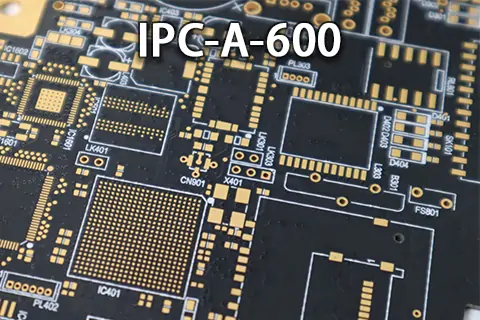
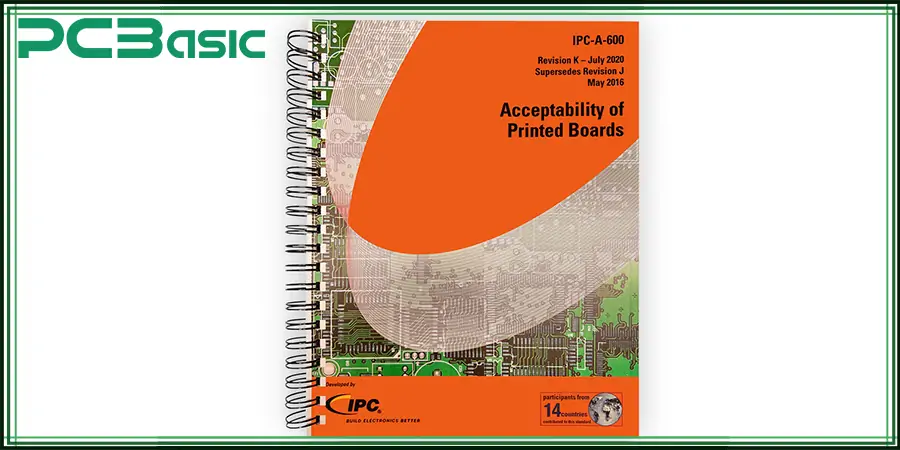
In the field of electronics manufacturing, IPC standards regulate product quality and reliability. In the PCB industry, the most widely used standards include IPC-A-600, IPC-6012 and IPC-A-610, which are responsible for defining acceptable standards at different stages of board production and assembly.
For manufacturers and engineers who wish to meet international standards, obtaining IPC-A-600 certification not only enhances technical capabilities, but also provides a competitive advantage. Next, in this paper, I will systematically review the IPC standard system, compare the differences between IPC-A-600 and IPC-6012, IPC-A-600 and IPC-A-610, and deeply analyze the practical applications of IPC-A-600 Class 2 and Class 3. It also provides recommendations on best practices for visual inspection, standards compliance, and implementation of IPC-A-600.
An Introduction to IPC-A-600
IPC-A-600 (officially known as IPC-A-600 Acceptability Standard of Printed Boards) is one of the most widely recognized visualization standards for PCB manufacturing and inspection in the electronics industry. As an IPC endorsement standard, IPC-A-600 provides manufacturers, assemblers and quality inspectors with a clear reference to determine whether a PCB board meets factory requirements. This has important guiding significance for manufacturers, inspectors and engineers to judge the quality.
IPC-A-600 is an acceptability standard focused on the appearance and internal structure of printed circuit boards, and is often used in conjunction with IPC-6012, which defines the performance requirements of rigid circuit boards (mainly specifying electrical and structural performance requirements). IPC-A-600 certification divides boards into three quality levels: IPC-A-600 Class 1 (for general electronics), IPC-A-600 Class 2 (for service electronics) and IPC-A-600 Class 3 (for high reliability electronics). Next, let's learn more about IPC-A-610!
IPC-A-600 Class 1、Class 2 and Class 3
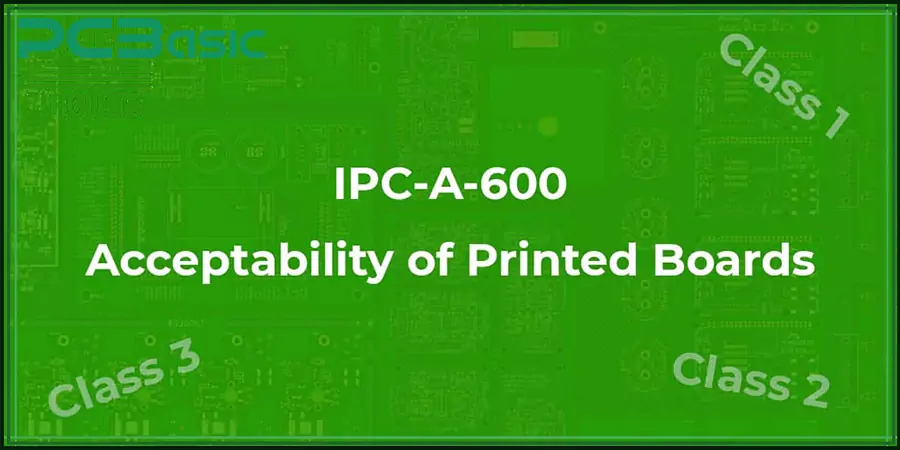
Maintaining quality and consistency is essential. Next, let's take a closer look at the three levels of IPC-A-600.
IPC-A-600 Class 1 —— General Electronics
Class 1 is the lowest quality level in IPC-A-600, and it is suitable for electronic products with only required functions, such as toys, basic household appliances, and general consumer electronics. IPC-A-600 Class 1 allows certain cosmetic defects, as long as they do not affect basic functionality. In short, Class 1 has the most relaxed inspection standards for PCBS and the lowest production costs.
IPC-A-600 Class 2 —— Service Electronics
IPC-A-600 Class 2 is the most common classification in commercial and industrial applications for products requiring stable performance and long life, such as industrial control equipment, communications electronics, commercial office equipment and smart home control systems, which do not involve safety or life related applications.
Compared with Class 1, IPC-A-600 Class 2 has a higher test standard for PCB, requires structural durability, and is a good choice for pursuing a good balance between performance and cost.
IPC-A-600 Class 3 —— High Reliability Electronics
IPC-A-600 Class 3 has the most stringent requirements for plating, pads, solder joints and cleanliness, and is often tested with automated optical inspection (AOI), X-ray, slice analysis, etc. The IPC-A-600 Class 3 is suitable for use in electronics that require sustained high performance and high reliability, such as aerospace systems, medical life support equipment, military electronics, automotive safety control units, and other critical and safety-related applications. Because the electronic equipment used in these fields can have serious consequences if it goes wrong, it is necessary to have high standards.
IPC A 600 Class 2 vs. Class 3
The selection of IPC-A-600 class 2 and class 3 should be balanced according to the product use environment, performance requirements and cost budget.
|
Comparison Item |
Class 2 |
Class 3 |
|
Reliability |
High |
Extremely high |
|
Inspection Strictness |
Moderate |
Very strict (may include cross-sectioning, X-ray testing) |
|
Typical Applications |
Industrial, consumer electronics |
Aerospace, medical, military |
|
Acceptable Defect Level |
Minor cosmetic defects allowed |
Virtually no defects allowed |
|
Manufacturing Cost |
Relatively low |
Significantly higher (due to stricter process control) |
How to choose a suitable IPC-A-600 class?
When choosing which Class 1, Class 2, or Class 3 of IPC-A-600 to follow, consider the following factors:
1. End application: Is the product intended for safety-critical or extreme environments?
2. Product life cycle: How long does it take?
3. Performance and cost tradeoff: Class 3 has the highest quality but higher cost, is it worth it?
4. Customer or industry standard requirements: Are Class 3 levels mandatory?
Class 1 can be selected for general consumer products, Class 2 for most industrial products, and Class 3 for systems involving safety or high-precision control.
The Importance of IPC-A-600 Certification
The IPC-A-600 certification indicates that the relevant personnel have the professional ability to determine PCB defects according to industry standards. Having IPC certification indicates that the manufacturer has at least the following advantages:
- Stable and consistent production process
- Low repair and return rate
- Able to meet the quality and compliance requirements of the international market
- It is easier to gain the trust of high-reliability industries such as aviation and medical.
For aerospace, medical or military industries, IPC-A-600 certification is a requirement to become a qualified supplier.
IPC Standard:IPC-A-600、IPC-6012 and IPC-610
|
Item |
IPC-A-600 |
IPC-6012 |
IPC-A-610 |
|
Full Form |
Acceptability of Printed Boards |
Qualification and Performance Specification for Rigid Printed Boards |
Acceptability of Electronic Assemblies |
|
Scope |
Visual and structural acceptability of bare PCBs |
Performance requirements and manufacturing specs for bare PCBs |
Acceptability criteria for assembled PCBs (PCBA) |
|
Focus |
Surface and internal defects of bare boards |
Design, capability, and electrical performance |
Soldering quality, component mounting, and assembly workmanship |
|
Type of Standard |
Visual inspection and defect criteria |
Performance and testing specification |
Visual inspection and workmanship standard |
|
Inspection Methods |
AOI, X-ray, manual inspection of external/internal defects |
Testing methods such as continuity, impedance, and material qualification |
AOI and manual inspection of solder joints, components, and assembly |
|
Target Users |
PCB manufacturers, QC engineers |
PCB designers, manufacturers |
Assembly houses, inspectors, repair technicians |
|
Stage of Use |
Bare board (prior to component assembly) |
PCB design and fabrication stage |
Final product stage after component assembly |
|
Typical Usage |
Often used together with IPC-6012 to assess overall quality |
Typically used alongside IPC-A-600 to define both performance and appearance |
Complements IPC-A-600 for end-to-end quality control from PCB to PCBA |
Key Requirements of IPC-A-600
1. Surface and internal quality requirements
IPC-A-600 specifies in detail the inspection standards for bare board (unassembled PCB) in terms of appearance and internal structure. These requirements include, but are not limited to, the following:
- It is required that the plating thickness of the copper surface and through the hole is uniform, without cracks, peeling or excessive corrosion.
- Solder cover complete; No falling off, pollution-free pad and other problems.
- Ensure smooth through hole edges, no burrs, no porous wall delamination or plating holes.
- The internal laminated structure of the PCB should be kept intact, without defects such as stratification and bubbles; (If this happens, it will seriously affect the stability of the board.)
- There should be no impurities such as metal particles, fiber residues, or pollutants in the circuit or insulated area that may affect the performance.
2. Different levels of acceptable standards
IPC-A-600 classifies PCB products into three grades (Class 1 / Class 2 / Class 3), of which Class 2 and Class 3 are the most common and critical grades in the industry. This has already been described, so I won't go into details here.
3. IPC-A-600 Certification(IPC Endorsement)
IPC officially provides certification training courses to help manufacturers, inspectors, and engineers systematically master the standard content. IPC-A-600 Certification personnel are more authoritative and consistent in judging defects, reducing human error. For factories that export overseas or undertake demanding customer orders, this certification has a high degree of gold content and industry recognition.
IPC-A-600 Inspection Process
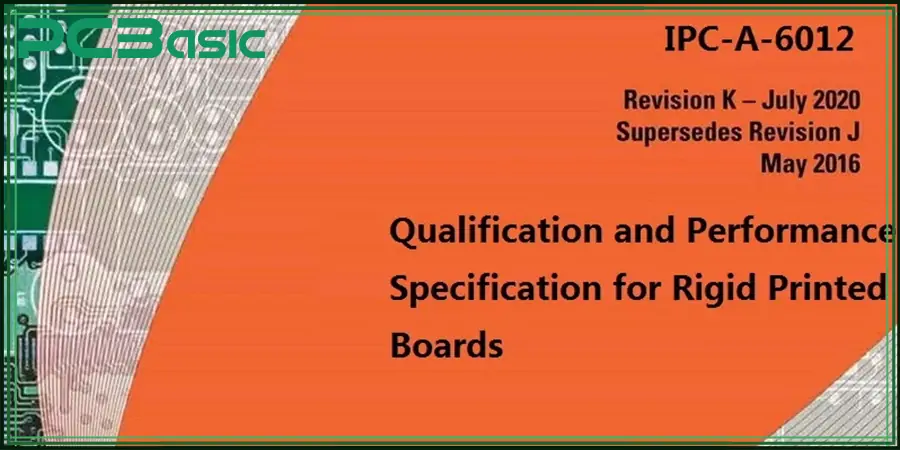
As mentioned earlier, the IPC-A-600 is usually used with the IPC-6012. The IPC-A-600 inspection process is also usually performed in sync with IPC-6012. These two standards are indispensable in the two stages of production process control and finished product delivery inspection.
✅ 1. Determination of product grade
Before any kind of inspection is carried out, it is necessary to first confirm the level of quality applicable to the product. Because the range of acceptable defects corresponding to different grades varies greatly, the grade must be specified according to the order requirements and customer specification documents before inspection.
✅ 2. Visual Inspection
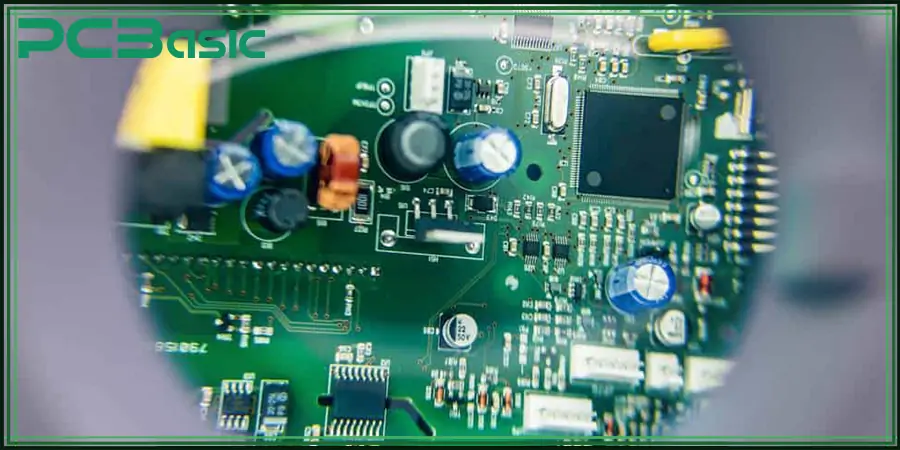
A full assessment of PCB appearance is required using a high-power magnifying glass or an automated optical inspection device (AOI). It mainly tests the integrity of the solder resistance layer, the quality of surface treatment, the integrity of the through hole and the annular ring, whether the copper layer has defects, foreign bodies and pollutants. This step of inspection is the most intuitive and basic quality judgment step, and can identify most process defects at an early stage.
✅ 3. Microsection Analysis
Microcutting is a process used to analyze certain internal defects that cannot be detected by visual inspection. The process includes cutting the plate, setting, grinding, etching and microscopic examination. Key observation: plating thickness and uniformity, resin filling quality, laminate structural integrity, inner layer connection reliability and so on.
✅ 4. File comparison and specification review
The purpose of the document comparison is to ensure that the inspection does not miss any customization requirements to ensure delivery consistency and compliance. During the comparison process, reference should be made to the following documents: IPC-6012 performance specifications, customer product specifications, engineering drawings and BOM lists.
✅ 5. Inspection performed by IPC certified personnel
All quality judgment recommendations are carried out by inspection engineers with IPC-A-600 certification (for reasons that need not be explained).
Best Practices for Complying with IPC-A-600
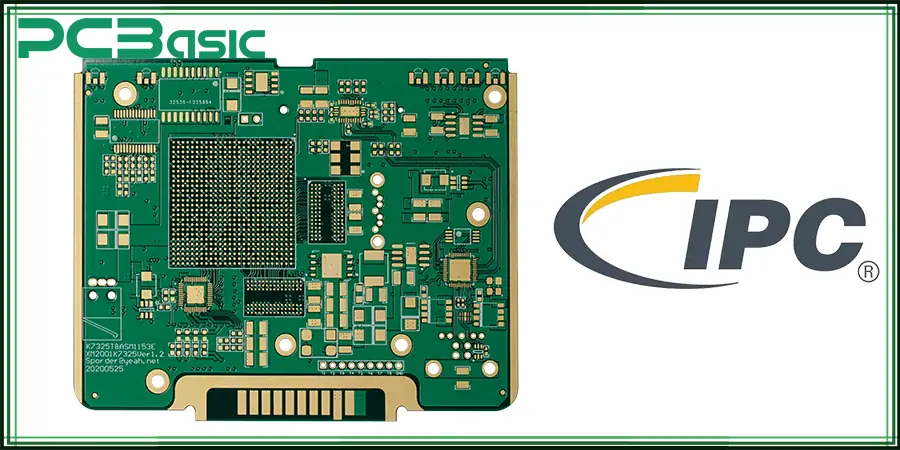
For both PCB manufacturers and customers, compliance with IPC-A-600 and IPC-6012 standards is key to ensuring product quality and reliability. Here are some tips to help you better comply with the standard:
1. Clarify the level requirements
Understand the differences between IPC-A-600 Class 2 and Class 3 and define the product grade at the design or procurement stage.
2. Refer to IPC-6012 from the design stage
The design follows the parameters specified in IPC-6012, such as ring size, through hole position, etc., to avoid subsequent nonconformity.
3. Train and certify inspectors
Provide IPC-A-600 certification training for key personnel such as quality inspectors and engineers to improve judgment accuracy.
4. Establish a standard reference manual
Keep the latest edition of IPC-A-600 Acceptability of Printed Boards standard map book at the production site for training and on-site comparison. Provide high resolution defect diagram to assist in determination.
5. Coordinate management with suppliers
Make sure the supplier meets the IPC-6012 standard and knows the IPC-A-600 rating you require. Sample inspection reports or micro-cut samples may be requested for verification.
6. Select the partner that has received IPC endorsement
Partnering with manufacturers with IPC endorsements provides more confidence and compliance assurance when addressing high-end markets such as aviation and medical.
Conclusion
After reading this article, you should have a deep understanding of the importance of IPC-A-600 standards to ensure the appearance and structural quality of printed circuit boards. IPC-A-600 is often used in conjunction with IPC-6012, and together the two standards provide a comprehensive framework for performance and appearance evaluation. Whether you are pursuing Class 2 reliability in consumer electronics or meeting the stringent Class 3 requirements of aviation, medical, etc., compliance with IPC-A-600 acceptability standards can reduce defects, improve consistency, and enhance customer trust.